
Smokefree.gov offers free text messaging programs that give 24/7 encouragement, advice, and tips for becoming smoke free and improving health.
KanQuit: Kansas Tobacco Quitline offers a mix of support that includes coaching, access to an online community, education and nicotine quit medications. Quitting tobacco takes courage, time, and energy. It can take several attempts to quit for good. The Quitline helps with the physical, emotional, and behavioral factors that make quitting so hard.
Tobacco-Free Living
Tobacco is a leading cause of death in Douglas County. Our work group is a collaborative of community organizations and individuals working together to support policy around prevention, regulation, and treatment of commercial tobacco and vape products. “Tobacco and vape products” include all commercial combustible and smokeless tobacco products, and all forms of nicotine delivery systems not approved for cessation by the FDA, including vapes and synthetic nicotine products.
The Work Group supports efforts to:
Prevent initiation of tobacco use among youth and young adults.
Identify and eliminate tobacco-related disparities among population groups related to tobacco and vape products.
Eliminate exposure to secondhand smoke and thirdhand smoke and aerosols.
Promote quitting among adults and youth.
To develop and expand public support for system changes that transform community values around tobacco and vape use.
Resources for Professionals
The Kansas Department of Health and Environment offers a free online training for health care providers on ways to help their patients quit tobacco. The course follows best practice guidelines for health care providers to help patients quit tobacco and can be used by a wide range of health care providers, including doctors, nurses, front office staff, dentists and dental hygienists.
American Academy of Family Physicians Tobacco Cessation Tools & Resources
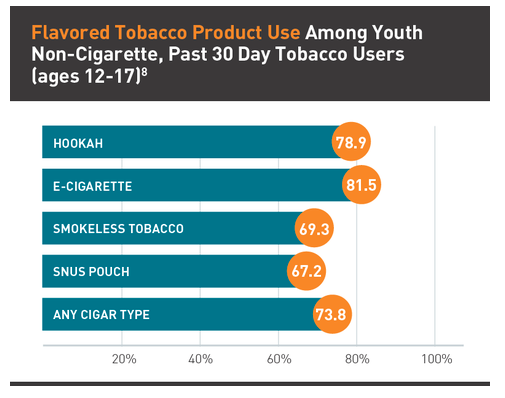
Chart Source: Ambrose BK, Day HR, Rostron B, et al. Flavored Tobacco Product Use Among US Youth Aged 12-17 Years, 2013-2014. Jama. 2015;314(17):1871-1873.
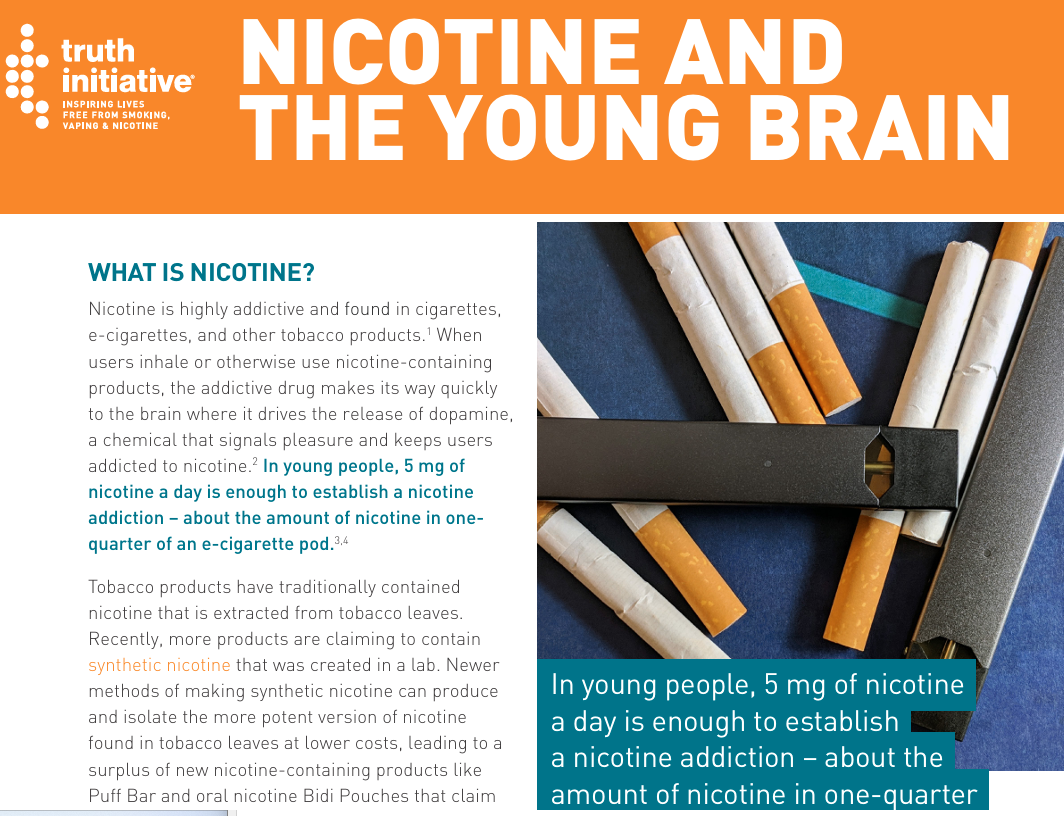
Vaping may seem harmless but nicotine is highly addictive and may disrupt brain development during adolescence. Vaping nicotine can also intensify symptoms of depression, anxiety and increases stress levels. LiveWell is working with community partners to help raise awareness and hold community conversations about steps we can take limit access to nicotine products and increase mental health support for teens and young adults.